Pigmentation Treatment in Delhi : What Really Works for Long-Term Results
Pigmentation is one of the most frequent dermatological concerns seen today. Dark patches, uneven skin tone, acne marks, or sun-induced discoloration can significantly affect confidence and overall appearance. These changes occur when the skin produces excess melanin, the pigment responsible for skin colour. Factors such as excessive sun exposure, hormonal fluctuations, inflammation, acne, lifestyle habits, or genetic predisposition can trigger this condition.
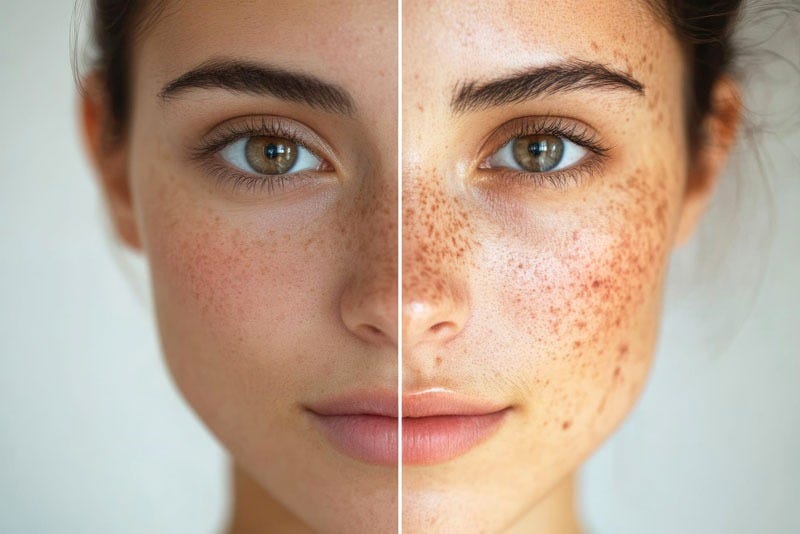
The good news is that pigmentation can be effectively improved and controlled with a scientifically guided approach. With expert supervision and a structured treatment plan, long-term skin clarity and an even tone are achievable.
Can Pigmentation Be Permanently Removed?
A common question patients ask is whether pigmentation can be removed completely. In clinical practice, pigmentation can be significantly reduced and kept under control for the long term. However, this requires an accurate diagnosis, customised treatment, and consistent skin care. Many individuals rely on over-the-counter products or home remedies for months, which often provide minimal improvement. Deep or chronic pigmentation usually requires professional care. Consulting a Dermatologist in Delhi at an early stage can help prevent worsening and reduce the need for aggressive treatments later.
Common Types of Facial Pigmentation:
Identifying the type and depth of pigmentation is essential before initiating therapy.
Melasma:
This condition presents as brown or greyish patches, mainly on the cheeks, forehead, nose, and upper lip. It is commonly associated with hormonal changes, pregnancy, thyroid disorders, or prolonged sun exposure. Melasma may involve superficial or deeper layers of the skin, making treatment more complex.
Sun Spots (Solar Lentigines):
These flat brown or black spots develop due to cumulative sun damage and ageing. They are frequently seen on the face, hands, and neck.
Post-Inflammatory Hyperpigmentation (PIH):
These dark marks appear after acne, burns, rashes, or skin injuries. Without treatment, they can persist for months or even years.
Each condition requires a tailored treatment strategy, which highlights the importance of medical evaluation.
Essential Daily Skin Care for Long-Term Results:
Even the most advanced Pigmentation Treatment in Delhi may not provide sustained benefits without a proper skin care routine.
Morning routine:
- Gentle cleanser
- Antioxidant or brightening serum as advised
- Broad-spectrum sunscreen (SPF 30–50), reapplied regularly
Night routine:
- Mild cleanser
- Dermatologist-prescribed creams
- Lightweight moisturiser
Sunscreen remains the most critical step. Continuous UV exposure can worsen pigmentation and reduce treatment effectiveness.
Evidence-Based Ingredients for Pigmentation Control:
Certain active ingredients have proven clinical benefits when used appropriately:
- Vitamin C — improves skin brightness and protects against environmental damage
- Niacinamide — enhances skin barrier and reduces inflammation
- Hydroquinone — regulates melanin production
- Kojic acid — helps achieve a more uniform skin tone
These formulations should always be used under professional supervision to avoid irritation or rebound pigmentation.
Advanced Medical Treatments for Stubborn Pigmentation:
Modern dermatology offers multiple safe and effective procedures:
- Chemical peels to remove damaged superficial layers
- Medical facials for maintenance and skin rejuvenation
- Laser therapies for deep and resistant pigmentation
- Combination dermatological treatments for complex cases
A customised approach ensures better results and minimises recurrence.
Lifestyle Habits That Support Healthy Skin:
Long-term improvement also depends on daily habits:
- Protect skin from excessive sun exposure
- Maintain hydration
- Consume antioxidant-rich foods
- Avoid harsh scrubs or unverified products
Consistency in these measures enhances treatment outcomes.
Home Remedies vs Medical Treatment:
Natural remedies such as aloe vera or yoghurt may support skin health but are not sufficient for treating deeper pigmentation. In many cases, incorrect or excessive use of home treatments can aggravate the problem. Professional therapy offers predictable, faster, and safer results.
When Should You Consult a Specialist?
Seek medical advice if:
- Pigmentation is increasing or spreading
- Acne marks are persistent
- Home remedies fail to show improvement
- Skin becomes sensitive or irritated
Early intervention leads to better and safer outcomes.
Clear and radiant skin is not achieved through quick solutions but through the right diagnosis, advanced treatments, and long-term care under expert supervision. Booking a consultation with an experienced Dermatologist in Delhi can help you achieve healthier, brighter, and more confident skin with personalised care and scientifically proven therapies.
#Pigmentation Treatment in Delhi #Hyperhidrosis Treatment in Delhi


Comments
Post a Comment