Effective Pigmentation Treatment in Delhi for Sun Damage, Melasma, and Acne Marks
Concerns related to skin pigmentation are among the most common reasons patients consult a dermatologist. Dark spots, uneven skin tone, and patchy discoloration can significantly affect self-confidence and overall appearance. Fortunately, advances in dermatology have made it possible to safely and effectively treat most pigmentation disorders and restore the skin’s natural glow.
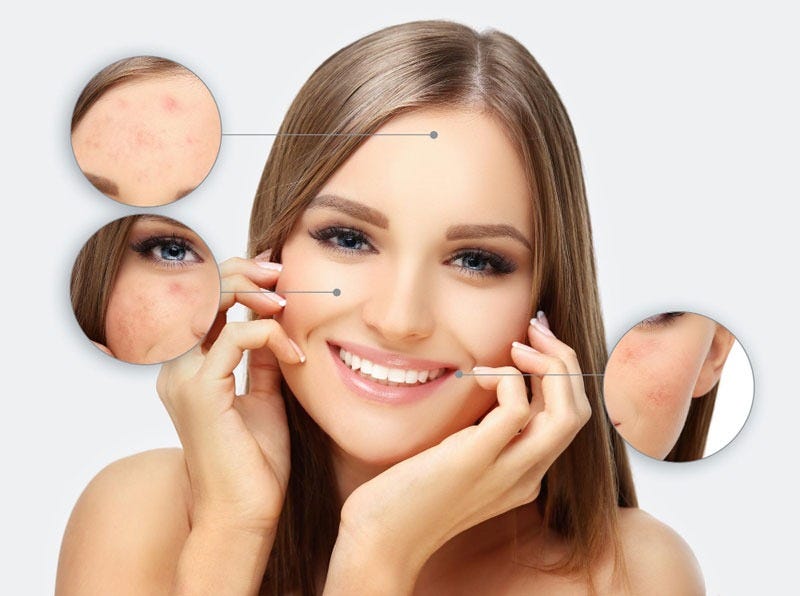
This article explains the causes and types of pigmentation and highlights modern Pigmentation Treatment in Delhi options available under expert dermatological care.
What Is Skin Pigmentation?
Skin pigmentation refers to the color of the skin, which is primarily determined by a pigment called melanin. Melanin is produced by specialized cells known as melanocytes and plays a crucial role in protecting the skin from harmful ultraviolet (UV) radiation. However, excessive melanin production or uneven distribution can lead to pigmentation disorders, resulting in dark patches, spots, or uneven skin tone.
Common Types of Pigmentation Disorders:
Hyperpigmentation- This occurs when excess melanin is produced in certain areas of the skin. Common forms include:
- Sunspots (solar lentigines): caused by prolonged sun exposure
- Post-inflammatory hyperpigmentation (PIH): develops after acne, burns, or eczema
- Melasma: often linked to hormonal changes such as pregnancy or oral contraceptive use
Hypopigmentation- This refers to reduced melanin production, leading to lighter patches on the skin.
- Vitiligo: an autoimmune condition affecting melanocytes
- Albinism: a genetic condition with little or no melanin production
Depigmentation- Complete loss of pigment resulting in white patches, commonly seen in advanced vitiligo.
Causes of Pigmentation Problems:
Several factors can trigger or worsen pigmentation:
- Excessive sun exposure
- Hormonal fluctuations
- Age-related changes in melanin distribution
- Skin injury or inflammation
- Genetic predisposition
- Certain medical conditions or nutritional deficiencies
Available Pigmentation Treatments:
The choice of treatment depends on the type, depth, and cause of pigmentation. A qualified Dermatologist in Delhi performs a detailed skin evaluation before recommending a customized treatment plan.
Topical Treatments- Medicated creams and serums are often the first line of treatment. Common ingredients include hydroquinone, retinoids, vitamin C, kojic acid, niacinamide, and azelaic acid. These help reduce melanin production, enhance cell turnover, and brighten the skin.
Chemical Peels- Chemical peels exfoliate the superficial layers of skin, improving pigmentation and texture. Glycolic acid, salicylic acid, and TCA peels are commonly used depending on skin type and severity.
Laser and Light-Based Therapies- Laser treatments target melanin directly and break down pigment deposits.
- Q-switched lasers for stubborn pigmentation and melasma
- Fractional lasers for deeper pigmentation and skin rejuvenation
- IPL (Intense Pulsed Light) for diffuse pigmentation and uneven tone
Microdermabrasion- A non-invasive procedure that gently exfoliates the skin, helping reduce superficial pigmentation.
Microneedling- Creates controlled micro-injuries to stimulate collagen and enhance absorption of topical agents, improving pigmentation and skin texture.
Cryotherapy- Uses liquid nitrogen to treat small, localized pigmented lesions.
Prescription Medications- In select cases, oral medications such as tranexamic acid may be prescribed to control melanin production, especially in melasma.
Preventing Pigmentation Recurrence:
- Use broad-spectrum sunscreen (SPF 30 or higher) daily
- Avoid picking acne or scabs
- Use antioxidant-rich skincare
- Maintain proper skin hydration
- Manage stress effectively
When to Consult a Dermatologist:
If pigmentation does not improve with over-the-counter products, worsens, or affects large areas of skin, professional evaluation is essential. An experienced dermatologist can identify the exact cause and recommend safe, effective treatment.
Conclusion:
Skin pigmentation disorders are common but highly manageable with the right approach. With advanced technologies, medical expertise, and personalized care, achieving an even, radiant complexion is possible. Consulting a skilled Dermatologist in Delhi ensures accurate diagnosis and access to the most effective Pigmentation Treatment in Delhi, helping you regain healthy, confident skin.
#Pigmentation Treatment in delhi #HydraFacial Treatment in Delhi


Comments
Post a Comment