Acne Scar Treatment in Delhi in Summer: Making the Right Choice for Your Skin
Acne scars are long-lasting reminders of previous breakouts and can affect both skin texture and self-confidence. Treating acne scars is not about following trends — it requires a careful assessment of scar type, skin type, and environmental factors. Summer, in particular, demands extra caution due to increased heat, sweating, and sun exposure, all of which can influence treatment outcomes.
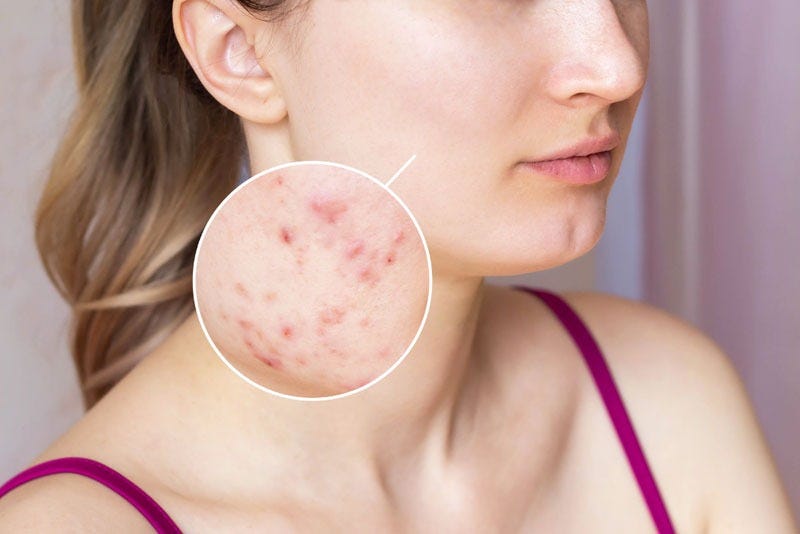
This guide explains how to select the most suitable Acne Scar Treatment in Delhi during summer while protecting your skin from unnecessary complications.
Understanding Acne Scars:
Acne scars develop when the skin’s healing response is disrupted following inflammatory acne, especially cystic or nodular lesions. Abnormal collagen production — either too little or too much — leads to different scar patterns.
Common Types of Acne Scars:
- Atrophic (sunken) scars
- Ice-pick scars: deep and narrow
- Boxcar scars: broad with sharp edges
- Rolling scars: shallow with sloping borders
- Hypertrophic and keloid scars: raised and thickened scars, more common in darker skin tones
- Post-inflammatory hyperpigmentation (PIH): dark marks left after acne heals; not true scars
Each type responds differently to treatment, making professional evaluation essential.
Why Summer Needs Special Attention:
Summer is not ideal for aggressive skin procedures because:
- UV exposure increases pigmentation risk
- Heat and sweating raise the chance of post-procedure infection
- Sunlight delays healing and worsens inflammation
Therefore, treatment selection and timing are critical during this season.
Step 1: Identify Your Skin Type
Skin type plays a key role in treatment safety:
- Oily skin tolerates procedures like mild peels or microneedling
- Dry or sensitive skin requires gentler approaches
- Combination skin needs zone-specific treatment
- Darker skin tones (Fitzpatrick IV–VI) are more prone to pigmentation and require cautious laser selection
A skilled Dermatologist in Delhi can assess these factors accurately.
Step 2: Match Treatment to Scar Type and Season
Topical Therapies (retinoids, vitamin C, AHAs)- Best for mild scars and pigmentation. Safe in summer with strict sunscreen use.
Chemical Peels (glycolic or salicylic acid) — Suitable for superficial scars and oily skin. Only mild peels are recommended in summer.
Microneedling - Effective for rolling and boxcar scars. Safer than lasers for darker skin but requires diligent sun protection.
Laser Treatments (fractional CO₂, Er:YAG, pico lasers)- Highly effective for deep scars but best avoided in peak summer due to photosensitivity risks.
Subcision- Useful for deep rolling scars. Often combined with microneedling or fillers and requires sun avoidance.
Dermal Fillers- Ideal for depressed scars. Minimal downtime and relatively safe during summer.
Step 3: Sun Protection Is Non-Negotiable
- Use broad-spectrum sunscreen (SPF 50 or higher)
- Reapply every 2–3 hours
- Wear hats and avoid midday sun
- Choose non-comedogenic formulations
Step 4: Follow Post-Treatment Care
- Avoid touching or picking treated areas
- Keep skin moisturized and cool
- Avoid gyms, saunas, and hot showers temporarily
- Resume skincare only after medical advice
When to Consult a Dermatologist:
Seek professional care if:
- Scars are deep or worsening
- Over-the-counter treatments fail
- You have sensitive or dark skin
- You are unsure which treatment is safe in summer
Conclusion:
Effective acne scar management is about making informed, season-appropriate choices. Summer adds unique challenges, making expert guidance essential. With the right treatment plan, proper aftercare, and consistent sun protection, smoother and healthier skin is achievable — even during the hottest months.
For personalized evaluation and safe treatment options, consult an experienced Dermatologist in Delhi and take the first step toward confident, scar-free skin.
#Acne Scar Treatment in Delhi #Microneedling Treatment in Delhi


Comments
Post a Comment